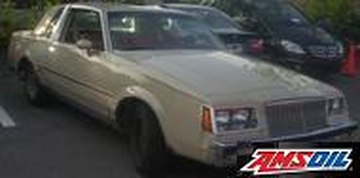
Maintaining Lubrication Standards for the 1981 Buick REGAL 3.8L Turbo
Owning a vehicle with a specialized engine configuration, such as the 3.8L Turbo found in certain 1981 Buick REGAL models, requires a disciplined approach to routine maintenance. Because forced induction systems introduce unique thermal and mechanical stresses, staying ahead of lubrication needs is a fundamental aspect of long-term engine care. Proper management of engine fluids and regular inspections can help ensure the vehicle remains in its intended operating condition.
Monitoring Fluid Integrity and Potential Leaks
A primary component of routine service involves the visual monitoring of the engine bay for any signs of fluid loss. For an engine of this era, inspecting various sealing surfaces is a practical way to identify potential issues before they escalate. Owners should look for evidence of seepage or active leaks around gaskets and seals. While some level of very light residue can occur as components age, any significant accumulation of oil or the presence of fresh drips on driveway surfaces warrants closer investigation.
When performing these inspections, it is helpful to check several areas:
- Sealing Surfaces: Examine the junctions where major engine components meet for signs of weeping or dampness.
- Drain Areas: Check the area around the oil drain plug and the filter mounting area to ensure they are clean and secure.
- External Components: Look for any fluid that may be migrating from higher points on the engine down toward the oil pan.
If you notice a change in the appearance of the lubricant—such as an unusual color, a strong odor, or a significant change in texture—this can be associated with various internal processes and should be investigated by a professional to determine the cause.
Managing Engine Health Through Consistent Records
For many owners of classic or specialized vehicles, establishing a maintenance baseline is one of the most effective ways to manage long-term ownership. If you have recently acquired this vehicle and do not have access to its previous service history, your first priority should be to document every service performed from this point forward. Keeping a detailed log of oil changes, filter replacements, and any observed mechanical changes provides a clear picture of the vehicle's health over time.
A well-maintained record allows you to distinguish between normal aging and unexpected changes in performance or fluid consumption. For example, if you notice that the engine requires more frequent top-offs than it did six months ago, having a documented history of previous oil levels can help you identify exactly when the change occurred. This data is invaluable for both DIY maintenance and when communicating with professional technicians.
Observing Operational Warning Signs
Beyond visual inspections, paying attention to how the engine behaves during operation is critical. Because different mechanical issues can present similar symptoms, it is important not to jump to conclusions, but rather to treat new observations as signals for further inspection.
Potential indicators that require attention include:
- Changes in Lubricant Consumption: If you find yourself needing to add oil more frequently than usual, investigate the cause through a thorough inspection of the engine and its seals.
- Unusual Noises: Any new mechanical sounds during startup or while idling should be evaluated promptly.
- Warning Indicators: If any dashboard indicators related to engine operation illuminate, follow the vehicle's documentation and seek immediate diagnostic assistance.
It is important to remember that a single symptom, such as an odor or a sound, can have multiple underlying causes. A professional diagnosis is often necessary to pinpoint whether a symptom is related to a seal, a sensor, or another mechanical component.
Prioritizing Maintenance Tasks as the Vehicle Ages
As vehicles move through different stages of their lifespan, maintenance priorities naturally shift. Rather than following a rigid schedule based solely on the age of the vehicle, it is more effective to prioritize tasks based on the current physical condition of the components. This means addressing active leaks or visible signs of wear before moving on to purely preventive measures.
When deciding where to focus your efforts, consider these steps:
- Review Existing Documentation: Determine what has been serviced recently and what may be approaching a period of needed attention.
- Address Active Issues First: If there is evidence of fluid seepage or a component that is showing signs of deterioration, prioritize those repairs to prevent secondary damage.
- Monitor Fluid Condition: Regularly checking the quality and level of all essential fluids helps in identifying gradual changes that might otherwise go unnoticed.
By focusing on condition-based maintenance, you can ensure that resources are directed toward the areas that most impact the vehicle's reliability and operational integrity.
Inspecting Auxiliary Systems
While engine oil is a primary focus, other components in the engine compartment play supporting roles in overall vehicle health. If equipped, accessible drive belts should be inspected periodically for signs of cracking, glazing, or fraying. Similarly, if the vehicle is equipped with various hoses, checking them for softness, brittleness, or bulging can prevent unexpected failures. Even if these components appear to be in good condition, a regular visual check ensures that any sudden changes are caught early.
Practical Advice for Buying Engine Oil for your 1981 Buick REGAL 3.8L
When it is time to replenish or change the lubricant in your 1981 Buick REGAL 3.8L, accuracy in selection is paramount. Because this specific engine may have unique requirements due to its turbo configuration, you should never rely on general automotive knowledge or assumptions based on the vehicle's age alone.
To ensure you are using the correct product, follow these guidelines:
- Match Application Information: Always refer to the specific viscosity and application requirements listed in the technical data provided on this webpage.
- Verify Product Labels: Before completing a purchase, check the container labels to confirm that the oil meets the necessary specifications for your engine.
- Consider Formulation Options: Depending on the current condition of your engine, you may choose between conventional, synthetic blend, or full synthetic oils. Some high-mileage formulations also contain additives intended for use in aging engines, including seal-conditioning additives.
By strictly adhering to the application-specific information displayed here, you can select a lubricant that is appropriate for the specific demands of your 3.8L Turbo engine.